
Finishing a basement enables homeowners in Utah to expand their usable space without needing to construct an addition. Choosing the best materials is one of the most crucial choices in this process. Basement conditions are unique due to local building codes, temperature fluctuations, and moisture. Making poor material choices might result in warping, mold, or expensive repairs. Homeowners may ensure long-term performance by balancing cost, comfort, and durability by knowing the best materials for basement finishing walls. Also, choosing the right wall promotes sound absorption, insulation, and adherence to Utah building codes.
Best Materials For Basement Finishing Walls
When designing basement finishing walls, homeowners need to think about durability, affordability, insulating value, and moisture resistance. Because basements are inherently more humid than above-ground spaces, choosing the best materials for basement finishing walls is essential.
Common materials for basement walls include:
- Cement board
- Foam board insulation
- Insulated wall panels
- Metal studs
- PVC wall panels
- Standard and moisture-resistant drywall
- Wood framing
Depending on the intended use of the basement, each option offers advantages and disadvantages.
Drywall
- Advantages: Paintable, smooth finish, and cost-effective
- Disadvantages: If exposed to moisture, mold may grow
Insulated Panels
- Advantages: Moisture-resistant and energy-efficient
- Disadvantages: Higher initial expense
Foam Board
- Advantages: Include outstanding moisture management and insulation
- Disadvantages: Framing is necessary for the finished look
Wood Framing
- Advantages: Easily accessible and easy to work with
- Disadvantages: In moist basements, it may warp or mold
Metal Studs
- Advantages: Mold-resistant, lightweight, and long-lasting
- Disadvantages: Needs specialized equipment and knowledge
Best-Suited For Utah Homes
- Living Room Or Theater: drywall and insulated panels
- Guest Room Or Bedroom Suite: moisture-resistant drywall, basement with metal studs
- Home Gym Or Playroom: drywall and foam board basement walls
- Basement Or Laundry Room: PVC panels or cement board
Basement Wall Drywall Options
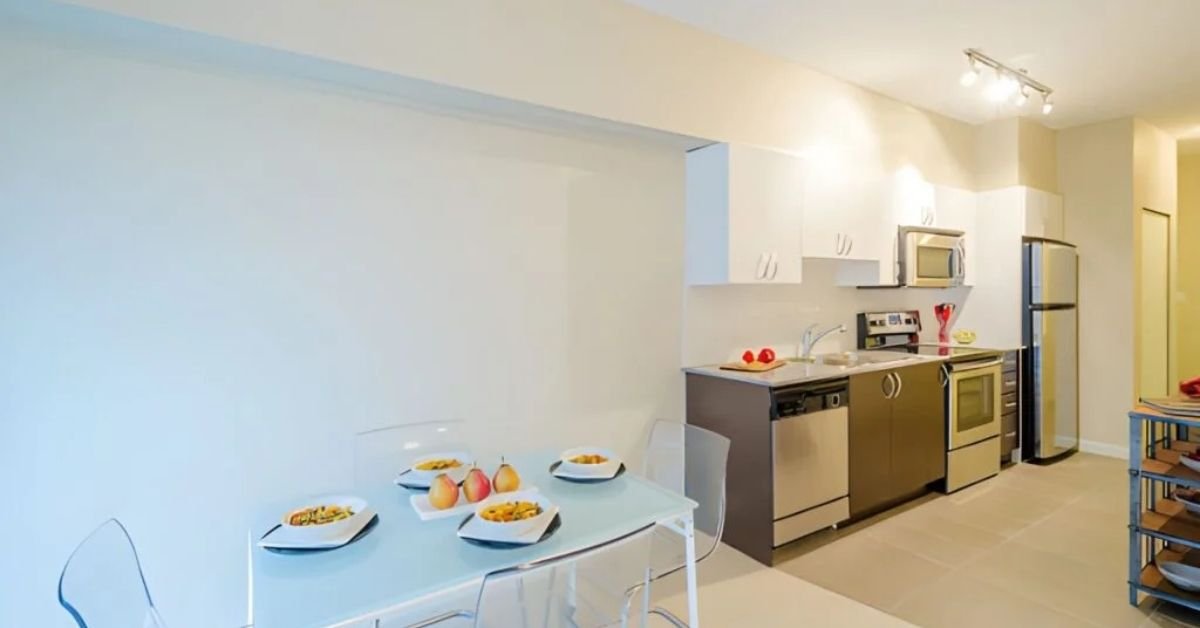
Due to its cost-effectiveness and clean appearance, drywall is still one of the most widely used materials for basement drywall projects.
Moisture-Resistant Vs Standard Drywall
In dry basements with enough waterproofing, standard drywall performs admirably. However, because of the varying humidity levels, a lot of Utah residents favor drywall basement options that are resistant to moisture.
Benefits of moisture-resistant drywall:
- Less prone to mold growth
- More resilient in moist environments
- Improved long-term results
When is drywall suitable for basements?
Drywall is most effective when:
- The basement has adequate waterproofing
- There is a vapor barrier in place
- There is adequate ventilation
Drywall can collect moisture and decay over time if these protections are not in place.
Foam Board And Insulated Wall Panels
Because of the frigid winters, insulation is essential in Utah basements. Insulating basement walls properly lowers energy expenses and helps control temperature.
Sturdy Foam Boards For Insulation
Foam boards enhance thermal performance while forming a barrier that is resistant to moisture. Before framing, they are frequently positioned right up against concrete walls.
Benefits:
- Stops cold air from entering via walls
- Lowers the chance of condensation
- Boosts energy effectiveness
Pre-Finished Insulated Wall Panels
These panels simplify and expedite installation by combining insulation and finishing in a single step.
Benefits:
- No more drywall is needed
- Integrated resistance to moisture
- A sleek, contemporary look
Why Are Utah Foam Board Basement Walls Effective?
Due to Utah’s extreme temperature fluctuations, foam board helps maintain a consistent indoor atmosphere while protecting walls from moisture accumulation.
Basement Wall Framing Materials
Framing supports drywall, panels, and other finishes and gives finished walls structure.
Wood Framing Vs Metal Studs
Wood framing:
- Economical and simple to set up
- Widely accessible and reasonably priced
- Can absorb moisture over time
Metal studs basement framing:
- Resistant to rot and mold
- Lightweight and long-lasting
- Perfect for moist conditions
Durability And Moisture Considerations
Because metal studs don’t bend or absorb water, they’re frequently a superior option for basements. For long-term durability, a lot of Utah contractors advise using metal studs for basement framing.
Utah building codes may mandate that basements adhere to the following:
- Proper distance between studs
- Materials resistant to fire in specific locations
- Insulated framing systems
Alternative Basement Wall Finishing Materials
Traditional drywall is not necessary in every basement. Alternative finishes are preferred by some homeowners.
PVC Wall Panels
These are mold-resistant, easily cleaned, and waterproof.
Great for:
- Bathrooms
- Laundry rooms
- Storage areas
Cement Board Applications
Cement board is frequently utilized in damp spaces like utility rooms and shower walls.
Benefits:
- Extremely sturdy
- Totally impervious to moisture
- It functions well beneath the tile
Paneling And Decorative Wall Systems
Without the need for drywall, contemporary basement wall panels with wood-, stone-, or textured finishes can create a chic impression.
You can use these substitute basement wall materials for:
- Game rooms
- Home theaters
- Rustic or industrial-style basements
Vapor Barriers And Moisture Control
Basement moisture control must be your first concern, regardless of the materials you choose.
Importance Of Moisture Management
Moisture can result in:
- Mold growth
- Musty odors
- Structural damage
- Wood rot
Air Gaps And Vapor Barriers
Moisture cannot pass through concrete into finished walls when a vapor barrier basement wall system is installed.
Common techniques for controlling moisture:
- Vapor barriers made of plastic
- Board insulation made of foam
- Drainage systems
- Dehumidifiers
Preventing Mold And Condensation
Vapor barriers, insulation, and adequate ventilation all contribute to the dryness and safety of basement walls.
Utah’s Building Code Requirements
Local laws must be followed before completing your basement.
Fire Safety And Insulation Standards
Utah code frequently calls for:
- Some locations have drywall that is fire-rated
- Adequate thickness of insulation
- Secure electrical cabling behind partitions
Moisture And Egress Considerations
If there are beds in your basement, Utah law can mandate:
- Egress windows
- Emergency exit access
- Proper ventilation
Local Inspection Requirements
Permits and inspections are necessary for almost all of the basement finishing projects in order to guarantee safety and adherence to Utah’s basement wall code and building requirements.
Choosing The Best Materials For Basement Finishing Walls For Your Basement
The purpose of your basement will determine which materials are best.
Materials that are appropriate for basement use:
- Entertainment Area: drywall and insulated panels
- Bedroom: moisture-resistant drywall in the basement with metal studs
- Bathroom: PVC panels or cement board
- Storage Space: only the foam board basement walls
Budget Vs Long-Term Durability
Although using less expensive materials may save money up front, repairs may end up costing more. Longevity is ensured by investing in the best materials for basement finishing walls.
Professional Tips
Skilled professionals like CCS of Utah can help in choosing the best materials for basement finishing walls and guarantee that your project complies with all energy and safety requirements.
FAQs
1. What is the best material for basement finishing walls?
Among the greatest options are insulated panels and drywall that can withstand moisture.
2. Can I use regular drywall in a basement?
Only in dry basements that are tightly sealed and have effective moisture management.
3. Do basement walls need insulation in Utah?
Yes. Insulation contributes to comfort and energy efficiency standards.
4. Are metal studs better than wood for basements?
Yes, metal studs are a better way to keep mold and moisture out of a basement than wood.
5. Do basement wall materials need to meet code?
Yes. Utah building codes must be followed by all materials.
“Not sure which basement wall materials are right for your home? Talk to experienced Utah basement finishing professionals for expert guidance and long-lasting results.”