A key concern frequently asked at the beginning of basement finishing projects in South Jordan is whether the basement meets the basement ceiling height requirements. The legality of using a basement as a living space is determined by local building codes and regulations.
Many homeowners find that the ceilings in older homes are excessively low by modern standards. Understanding Utah building codes can help avoid expensive renovation mistakes and unsuccessful inspections.
This guide outlines frequent issues in older homes, the minimum ceiling height standards for basements, and when professional remodeling solutions might be required to bring a basement up to code.
Minimum Basement Ceiling Height Requirements in Utah
Before starting any project, it is important to understand the basic rules.
Standard Living Room Ceiling Height
Most of Utah’s livable spaces require a minimum ceiling height of seven feet. This holds true for places where people live, sleep, or spend regular time.
Minimum Finished Basements Height
A basement must adhere to minimum basement ceiling height requirements in order to be considered a livable space. Generally:
- At least 7 feet in most areas
- Depending on the structure, older homes may have some flexibility
These ceiling height requirements guarantee adequate ventilation, safety, and comfort.
Exceptions for Beams and Ducts
Not all of the ceiling’s components need to have the same height. Building codes permit:
- Ducts or beams that drop just below seven feet
- Limited obstructions in certain areas
Inspection problems can still arise, though, if there are too many low sections. Passing approval requires adhering to Utah building code ceiling height regulations.
South Jordan Building Code Rules for Finished Basements
The approval of your project is heavily influenced by local regulations.
Code Enforcement and Inspections
Inspections are mandated under the South Jordan building code both during and after construction.
Inspectors check:
- Ceiling height compliance
- Plumbing and electrical systems
- Structural safety
Your basement may not pass inspection if the basement ceiling height requirements are not met.
Storage Vs. Livable Basements
Different basements have different treatments:
- Storage Basements: Less strict requirements
- Livable Spaces: Must adhere to all code requirements
The differences have an impact on your budget and design.
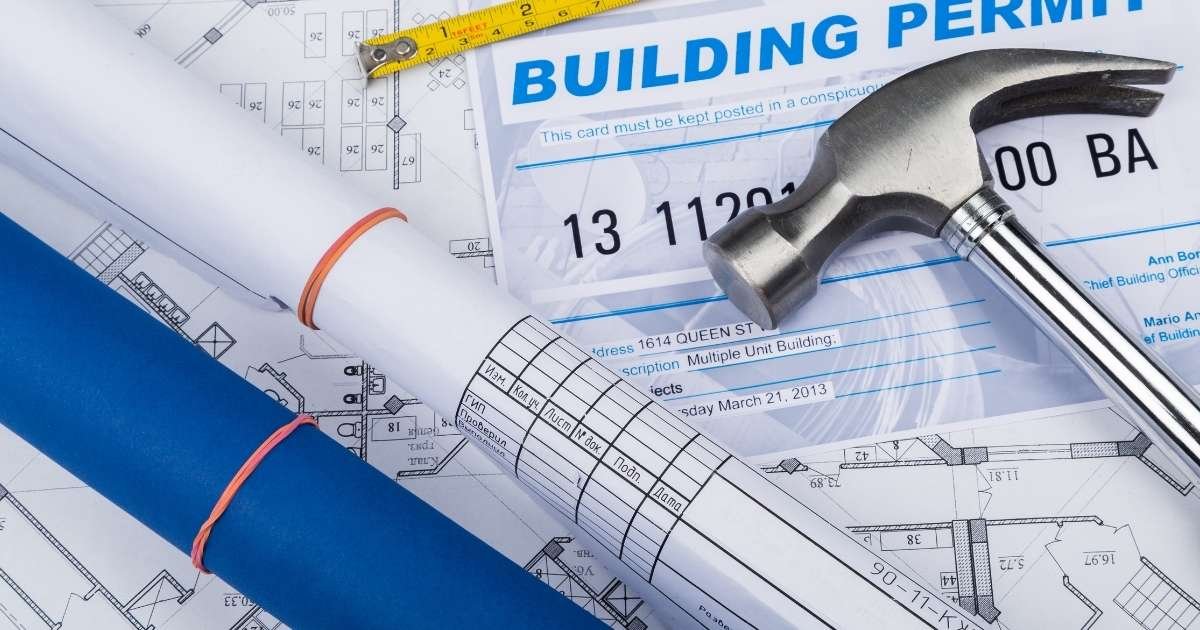
Why are Permits Required?
Generally, a basement remodeling permit is needed before starting any work. This guarantees:
- Adherence to Utah construction standards
- Legal use of the space
- Safe building practices
Ignoring permits can result in penalties or issues when selling your house.
Ceiling Height Requirements for Basement Bedrooms
Because safety is a major concern, bedroom regulations are more stringent.
Bedroom Ceiling Height Minimum
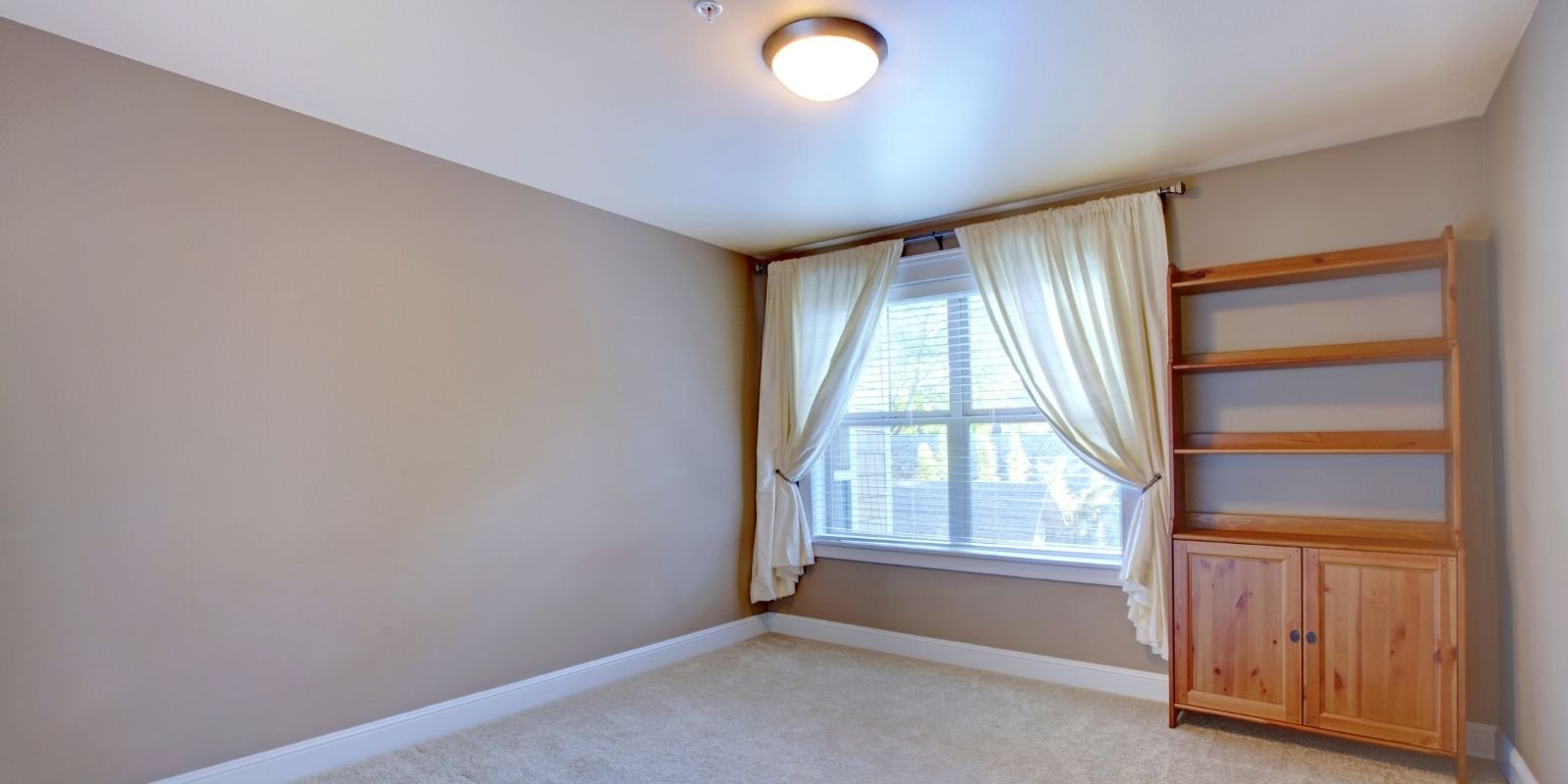
The same basement bedroom code requirements that apply to above-ground rooms also apply to basement bedrooms:
- Minimum 7-foot ceiling height
- Sufficient usable space
This guarantees a comfortable and suitable habitable basement space.
Egress Window Rules
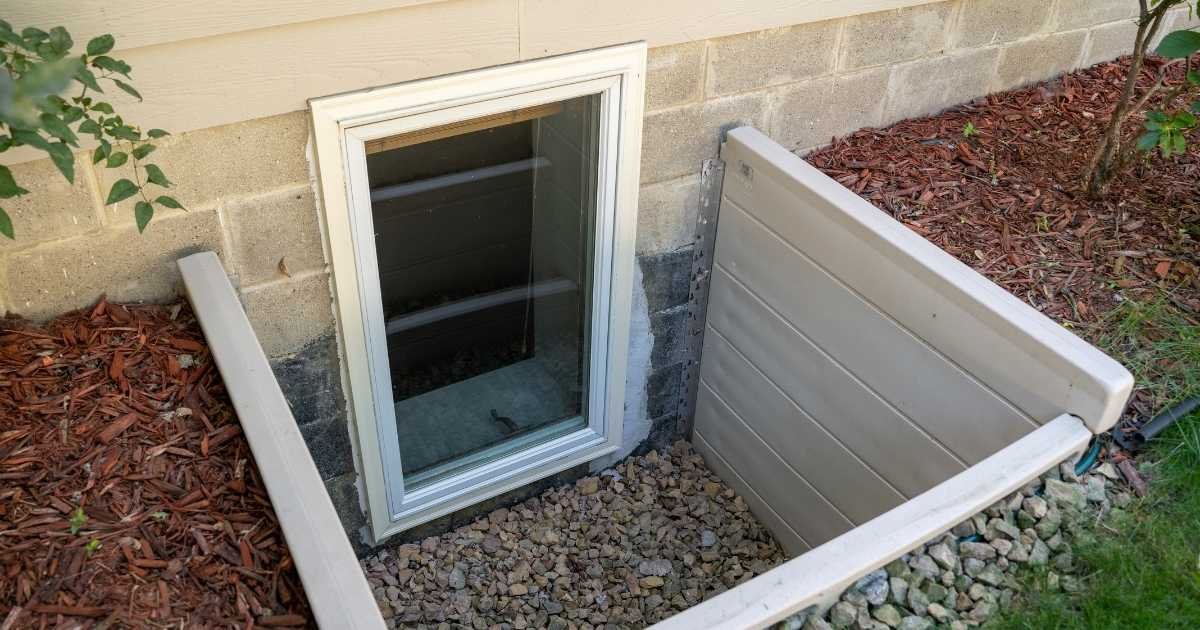
There must be emergency exits in bedrooms. Egress window rules call for:
- A window big enough for an escape
- Easy access for emergency responders
The space cannot legitimately be referred to as a bedroom without this.
Safety-Related Factors
A secure, livable basement area consists of:
- Adequate lighting
- Adequate ventilation
- Fire safety measures
Approval requires compliance with the basement ceiling height requirements.
Challenges with Ceiling Heights in Older South Jordan Homes
Homes that are older frequently have unique problems.
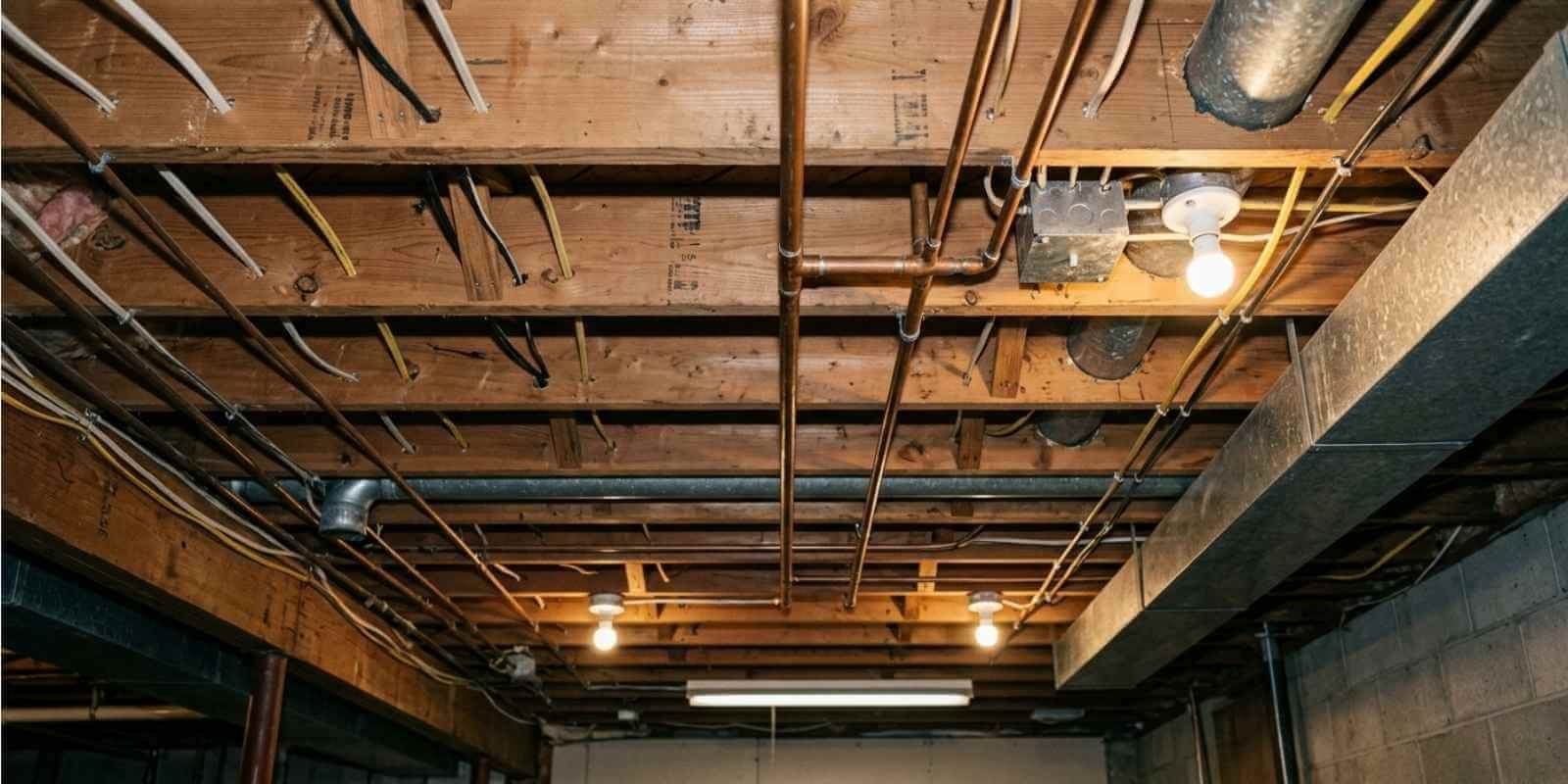
Low Ceiling Basement
Many older homes have basements with low ceilings—sometimes less than seven feet. Without upgrades, this might make completing the task challenging.
Structural Limitations
Common issues:
- Hanging ductwork
- Large support beams
- Plumbing lines
These features make renovations more difficult and reduce headroom.
Remodeling Challenges
Typical basement renovation challenges include:
- Higher remodeling costs
- Limited space for adjustments
- Structural restrictions
To get past these challenges, professional contractors frequently provide basement remodeling solutions.
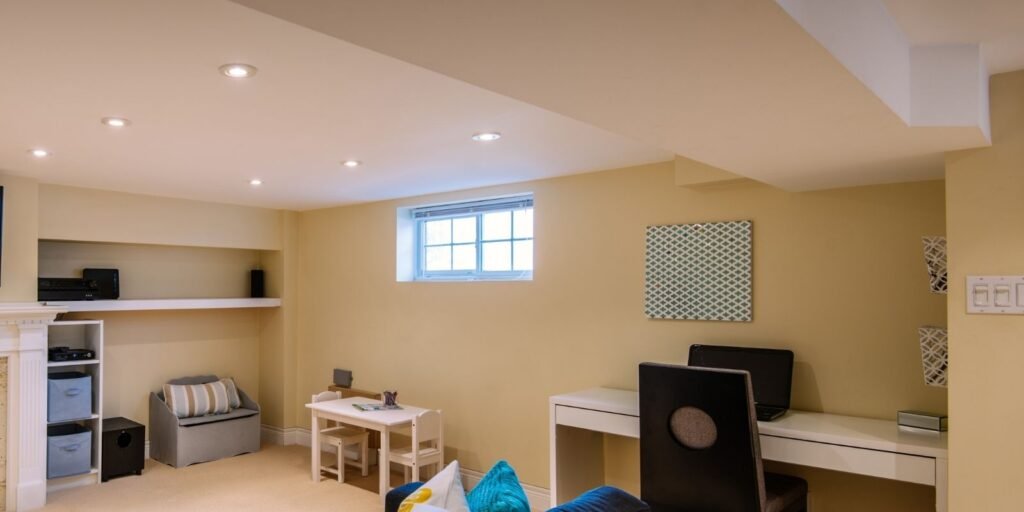
Options if Your Basement Ceiling is Too Low
You still have options if the basement ceiling height requirements are not met.
Lowering the Basement Floor
This procedure, often known as basement floor lowering, includes:
- Digging up the floor
- Strengthening the base
Although it can be costly and complicated, it works well.
Modifying Ductwork and Utilities
Raising the ceiling height can occasionally be as easy as:
- Duct rerouting
- Moving wiring or pipes
Important space may be made available by these structural modifications.
Open Ceiling Design
By removing the drywall, an open ceiling reveals:
- Beams
- Ducts
- Pipes
One of the most well-liked basement ceiling solutions available today is this modern style.
Why Code Compliance Matters for Basement Remodeling?
Adhering to the code protects your investment and is more than just following the regulations.
Avoid Failed Inspections
If the basement ceiling height requirements aren’t met by your project, it might:
- Delay completion
- Fail inspection
- Require costly fixes
Insurance and Resale Value
A basement finishing project that complies with codes helps:
- Avoid insurance issues
- Increase home value
- Make selling easier
Before making a purchase, buyers frequently verify permits and code-compliant basement finishing.
Safety and Long-Term Benefits
Meeting basement remodeling standards guarantees:
- Secure living conditions
- Improved air quality
- Long-lasting results
It’s easier to make sure everything is done right when you work with a basement contractor South Jordan.
FAQs
1. What is the minimum basement ceiling height required in Utah?
For most finished basements to be considered habitable, the ceiling height must be at least seven feet.
2. Can beams or ducts be lower than the required ceiling height?
Certain obstructions below the necessary height are permitted by building codes, provided that they are kept to a minimum.
3. What happens if my basement ceiling is too low?
Floor lowering, open ceilings, and structural alterations are all options for meeting basement ceiling height requirements.
4. Do South Jordan building codes require permits for basement finishing?
Yes, in order to guarantee adherence to building and safety regulations, permits are usually necessary.
5. Can a basement bedroom have a lower ceiling height?
No, bedrooms have to adhere to stringent regulations, such as appropriate emergency exits and ceiling height.
“Not sure if your basement meets ceiling height requirements? Contact South Jordan’s trusted basement remodeling experts for a professional assessment.”