
Accessory Dwelling Units (ADUs) are fast becoming one of the most popular home improvement projects in South Jordan, Utah. ADUs are being built by many homeowners with the goal to generate rental income, provide family members with private accommodation, or raising the property’s long-term market value. However, you must understand South Jordan’s accessory dwelling units permits process before the construction starts.
There are particular building codes, inspection standards, and zoning laws in South Jordan that must be adhered to. Noncompliance or misinterpretations of the regulations may result in delays, penalties, or even the unit’s forced removal. The guide details ADUs, the requirements for permits, and how homeowners can proceed through the approval process in a straightforward and legally acceptable manner.
What Is An Accessory Dwelling Unit (ADU)?
A smaller, additional living area on the same property as a primary single-family home is called an accessory dwelling unit (ADU). ADUs are completely separate apartments with separate living, sleeping, and cooking areas.
Common ADU types in South Jordan are as follows:
- Attached ADU, which are constructed as an extension to the main house
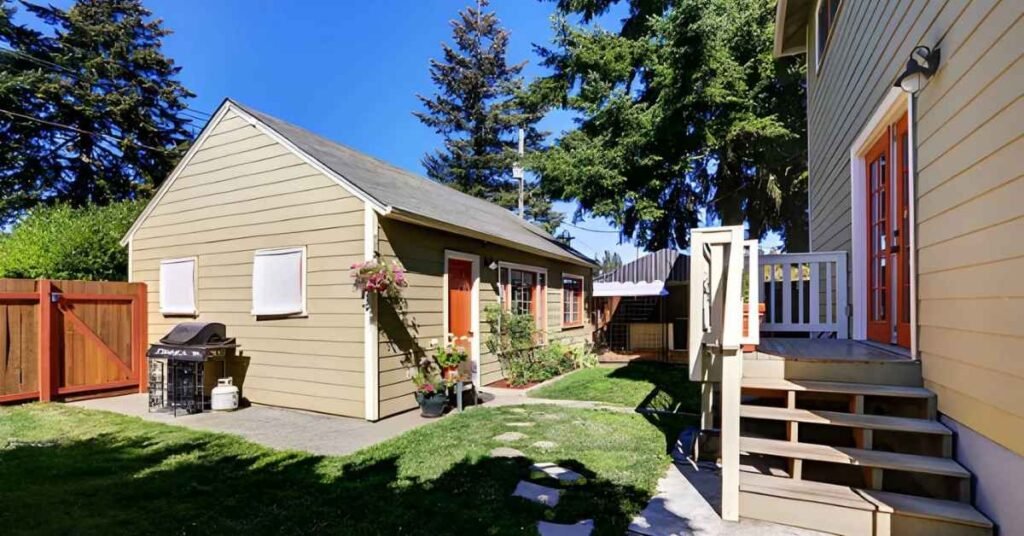
- Detached ADU, like a backyard cottage or small standalone home
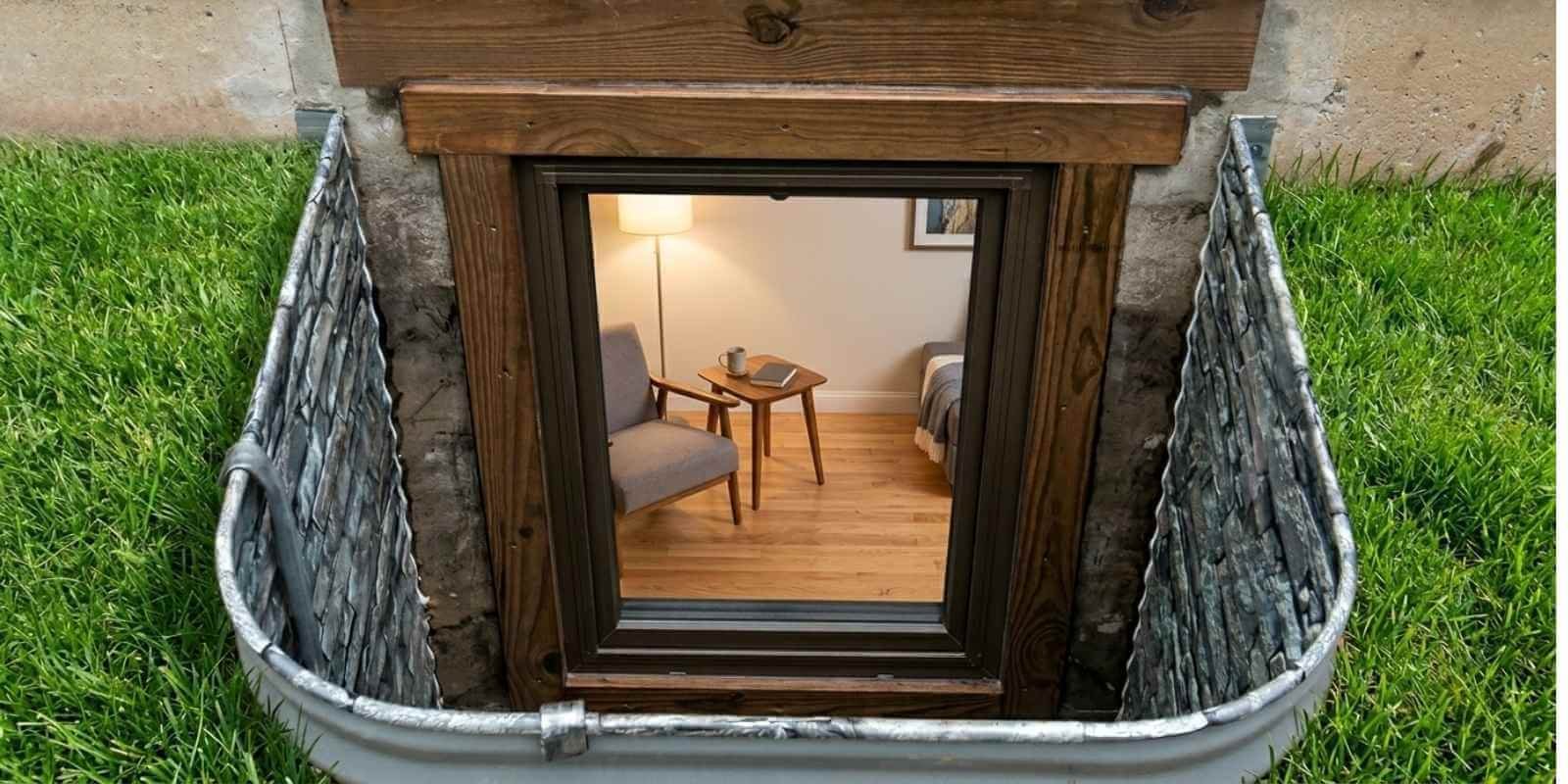
- Basement ADU, which are made by completing or converting an existing basement
- Above-garage ADU, which are constructed over either an existing or a new garage
Before permits are granted, each style of ADU must adhere to zoning, size, and safety regulations. During plan review, choosing the appropriate ADU type early on helps prevent expensive redesigns.
Why You Need An ADU Permit In South Jordan?
ADU permits are necessary for the protection of tenants, homeowners, and the neighborhood. South Jordan enforces permit requirements – building codes, zoning regulations, ADU legality – to ensure that all accessory housing units comply with safety and legal requirements,
Permits are necessary for the following main reasons:
- Compliance with South Jordan zoning regulations
- Structural safety and stability
- Proper electrical, plumbing, and mechanical systems
- Fire safety and emergency access
- Legal approval to rent the unit
- Protection of home value and resale potential
Without permits, building an ADU may result in stop-work orders, fines, insurance troubles, and difficulties when selling or refinancing a property.
South Jordan ADU Zoning Requirements
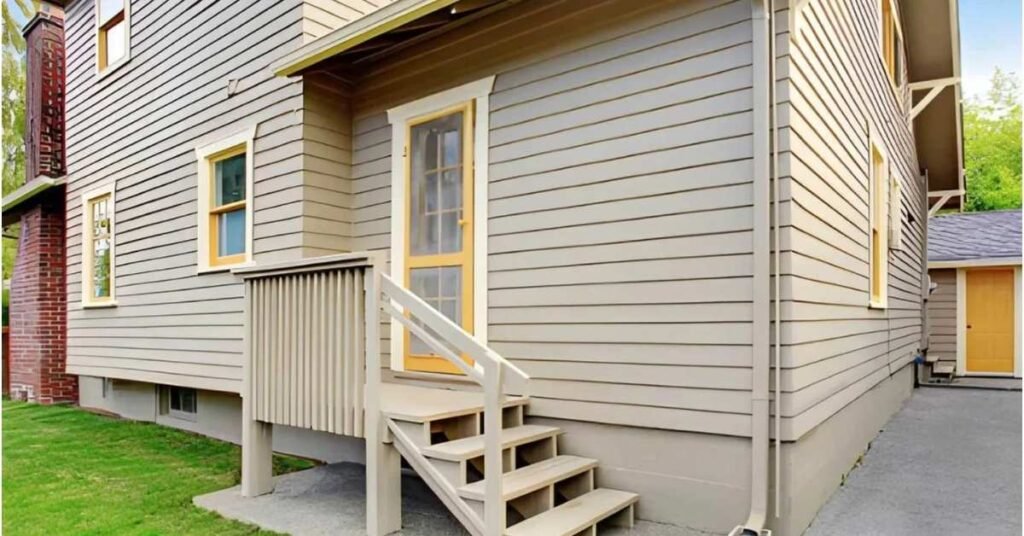
Zoning regulations dictate whether and how an ADU can be constructed on your property. Those rules change based on the size of your lot and your area.
Typical zoning regulations include:
- Setback regulations, which restrict the ADU’s proximity to property lines
- Minimum lot size determined by zoning district
- Owner-occupancy rules, which mandate that the homeowner reside on the property
- Parking requirements, which frequently call for one extra off-street space
- Height restrictions for detached and above-garage ADUs
- Rules governing utility connections, such as access to gas, electricity, water, and sewer
One of the most frequent causes of ADU permit delays or denials is failure to comply with South Jordan-specific permit items and zoning regulations.
Step-By-Step ADU Permit Process In South Jordan
Realistic scheduling and budgeting are made easier for homeowners when they are aware of the accessory dwelling units permits process.
Step #1: Pre-Design Planning
Make sure your home is qualified for an ADU. This entails verifying owner-occupancy requirements, lot size, and zoning.
Step #2: Create Architectural Plans
Floor plans, elevations, structural details, and utility connections must all be displayed in detailed plans.
Step #3: Submit The Permit Application
The permit application should be filed with the South Jordan building department along with the necessary documentation and blueprints.
Step #4: Pay Permit And Review Fees
Fees vary based on the size and complexity of the project and must be paid at submission.
Step #5: City Plan Review
Plans are assessed by city reviewers for adherence to building code requirements and zoning compliance.
Step #6: Revise Plans If Needed
Before being approved, most applications need to be somewhat clarified or corrected.
Step #7: Permit Approval
Construction can lawfully start after approval.
Step #8: Construction Inspections
Inspectors check mechanical, electrical, plumbing, and framing construction.
Step #9: Final Inspection And Occupancy
The ADU can be used or rented once it passes the final inspection checklist.
Common Adu Permit Mistakes Homeowners Make
Many homeowners face permit delays due to avoidable mistakes during planning or submittal.
Common ADU planning mistakes include:
- Using out-of-date building codes
- Assuming zoning permits an ADU without verification
- Neglecting structural or architectural details
- Failing to plan utility connections in advance
- Neglecting necessary engineering or soil reports.
These problems frequently result in lengthier deadlines, more expenses, and resubmissions.
How A Professional ADU Contractor Helps You
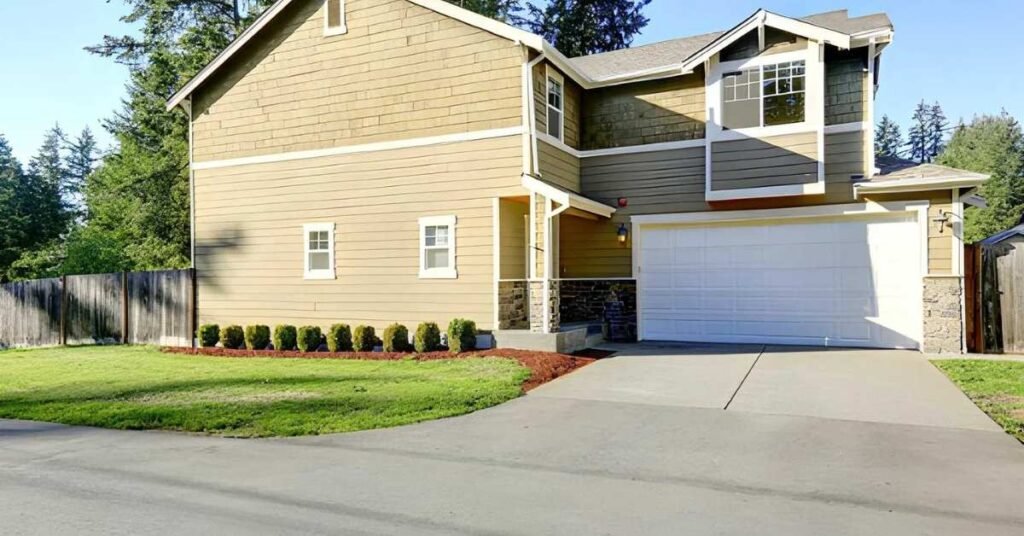
It can make a big difference to hire an ADU contractor with experience and knowledge of South Jordanian legislation.
A professional contractor can:
- Create and submit permit applications
- Ensure that designs adhere to local building codes
- Communicate with city reviewers
- Schedule inspections
- Promptly address permit complaints.
Working with a professional local ADU contractor is frequently the safest choice for homeowners who aim for quicker approvals and fewer setbacks.
South Jordan ADU Permit Costs
The size and type of ADU affect the permit pricing.
ADU permit-related costs often consist of:
- Application fees
- Plan review fees
- Impact or development fees
- Utility connection fees
- Inspection fees
Budgeting for permits early on prevents financial surprises later in the project, even if they are only one component of the total ADU construction cost.
FAQs About ADU Permits In South Jordan
1. How long does it take to get an ADU permit in South Jordan?
Depending on the complexity of the plan and any amendments, most permits take a few weeks to several months.
2. Do I need professional plans for an ADU?
Yes. Plans for architecture and structure are usually needed.
3. Can I legally rent out my ADU?
Yes, as long as the ADU is properly approved and the zoning regulations are followed.
4. What inspections are required for ADUs?
Standard inspections include mechanical, electrical, plumbing, framing, and final.
5. Do detached and attached ADUs follow the same rules?
No. The zoning, distance, and height regulations vary depending on the type of ADU.
Final Thoughts
Building an ADU in South Jordan might be an excellent method to boost property value, generate rental revenue, or accommodate family members. However, knowledge of zoning regulations, inspection guidelines, and accessory dwelling unit permits is essential for success. Homeowners can avoid delays and construct with confidence by carefully planning, adhering to city rules, and working with skilled professionals like CCS of Utah.